What To do When Your Client Disappears—Actually or In Effect
In this new feature, Edward McIntyre, professional responsibility lawyer and co-editor of San Diego Lawyer, examines the ethical considerations when a client disappears.



In this new feature, Edward McIntyre, professional responsibility lawyer and co-editor of San Diego Lawyer, examines the ethical considerations when a client disappears.
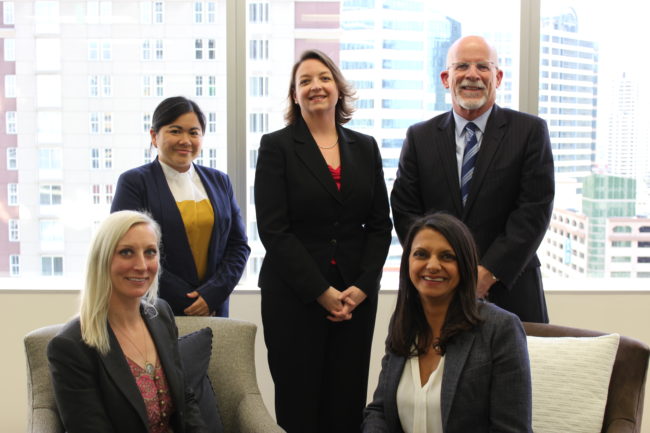
James Crosby, a San Diego civil litigator and trial attorney, moderates a free-flowing conversation covering technology, marketing, diversity and more.

Most lawyers who have some deposition experience have probably experienced a “speaking objection.” Sometimes these speeches are just annoying; sometimes, they amount to an obstruction of the deposition process.

Prepare for the substantial portion of self-represented litigants as your practice expands.

By David C. Carr
As of November 1, 2018, California lawyers are subject to a new rule on safekeeping the property of clients and others: Rule 1.15. The new rule differs from the prior rules in effect since 1928 in three significant areas: (1) advanced fees (2) flat fees and (3) holding funds for persons who are not clients. Read More

Message from the Social Events Chair
June 16, 2022
Message from the Editor of For the Record
September 14, 2021

Application of CRPC 1.15 to Government Lawyers
February 20, 2024
January 19, 2024