Take Note — Courts Have Dictionaries
The case in question serves as a graphic reminder that ad hominem attacks on judicial officers, even seemingly clever ones, not only fail, but carry professional responsibility jeopardy



The case in question serves as a graphic reminder that ad hominem attacks on judicial officers, even seemingly clever ones, not only fail, but carry professional responsibility jeopardy

Gregg F. Relyea
Opening a Negotiation
A case must be strategically positioned before meaningful negotiation can take place. An invitation to negotiate can be perceived as premature if there are significant gaps in information about liability and damages. Negotiation can be viewed as too late if the parties have waited too long, costs have become prohibitive, or the parties have become entrenched in their positions. Read More

By William Marshall
Transactional attorneys refer simply to “reviewing” a contract. However, I have identified different modes of review and found that thinking about them can be helpful in improving my review practices. The following are nine modes of review that I, to varying degrees, am adopting as I review an agreement. Some of them overlap and, of course, I very often perform multiple or even all of these modes in a single reading of an agreement. However if time permits, separate readings focused on one or two of these modes at a time can result in a better, more comprehensive assessment and markup of a document. Read More

By Edward McIntyre
Benjamin Pavone represented his client in an employment-related lawsuit. The trial court denied class-action certification—a decision the court of appeal affirmed. The jury trial was successful, but perhaps a pyrrhic victory—$1,080 in economic damages; $7,000, noneconomic damages. Read More
By Marta Manus
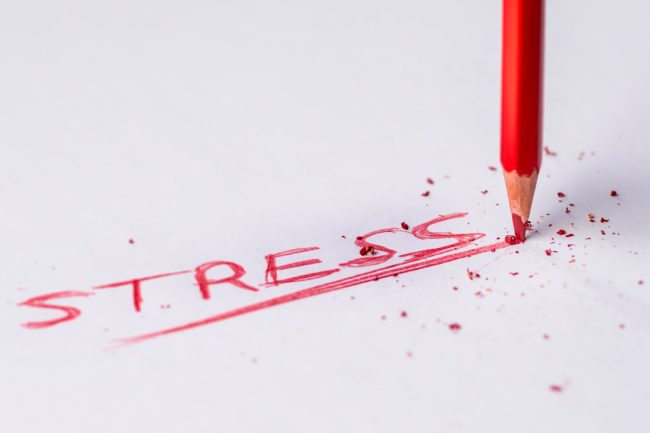
Life has a funny way of giving us exactly what we need practice in. Nearly nine years into my career as a class action attorney, I burned out big time. Years of living in a constant state of stress reaction mode in a toxic work environment led to multiple ER visits, a prescription for anxiety meds, chronic headaches, and constant muscle pain in my neck and shoulders. Ordinary tasks that used to take me a few hours began taking much longer and I found it increasingly difficult to focus on anything work-related. I was disengaged, disillusioned and dissatisfied. I wasn’t simply having a few bad days, this was serious burnout, and while I knew that something needed to change, I didn’t quite know how or what. Read More

Message from the Social Events Chair
June 16, 2022
Message from the Editor of For the Record
September 14, 2021

Application of CRPC 1.15 to Government Lawyers
February 20, 2024
January 19, 2024