


Category: Legal Ethics

Ethical and Best Practices Considerations in Dealing with Client Billing and Fund Handling Disputes

By Charles Berwanger

Imagine a client who during the course of your representation of her disputes your billings and your handling of her funds. Such a client may file a State Bar complaint potentially triggering a State Bar investigation or worse. The Ethics in Brief article appearing April 9, 2018 discussed best billing practices. This article will focus on ensuring compliance with State Bar rules relating to billings and financial records, on avoiding financial disputes over billings and on measures to minimize your risk of destroying a client relationship. The referenced rules are found in the State Bar Act and the California Rules of Professional Conduct (CRPC). Read More
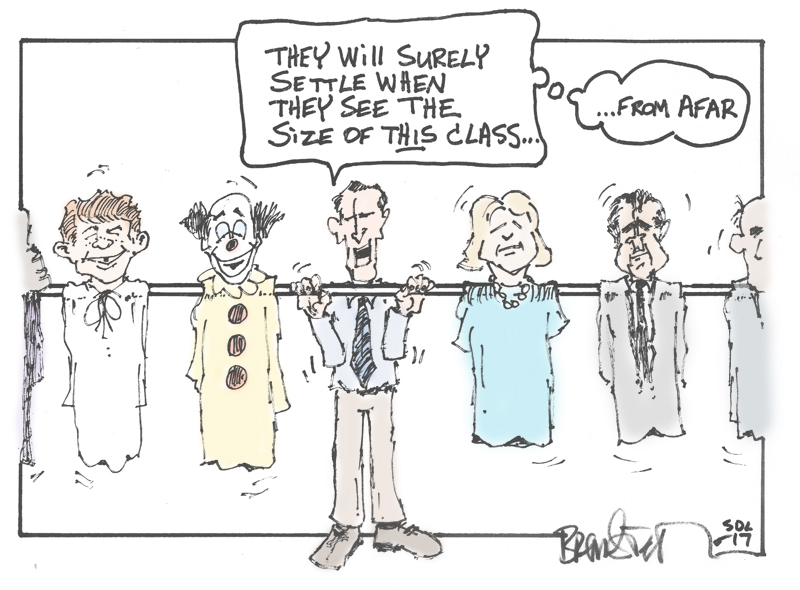
A Scheme for Idiots

By Edward McIntyre

Macbeth sipped his Oban single malt, celebrating an appellate victory with Duncan and Sarah at Brennan’s Tavern. Fred Fox pulled an empty chair to their table — uninvited. Read More

The Intersection of Ethics and Technology

By Timothy Casey

Recent technological advances in artificial intelligence present new problems for society, and, in turn, for lawyers.  Generally speaking, artificial intelligence describes the capacity of machines to perform the same complex cognitive functions as humans. Read More

Good Billing Practices Lead To Better Results

By David Majchrzak 

California lawyers have a seemingly simple charge when it comes to billing. Rule of Professional Conduct 4-200 precludes them from agreeing to, charging, or collecting an illegal or unconscionable fee. Yet, the conscionability of a fee is not always easy to determine. Despite that, there are myriad reasons to examine where that line is. Examining that rationale, in turn, leads to practices that lawyers may implement to produce and maintain good records. Read More

Double Trouble? No, Just Some Caveats.

By Edward McIntyre

They come in pairs. A young couple who want an estate plan; two women who need a partnership formed; the employer who wants you to represent it and the accused supervisor/co-defendant; the non-party executive whose deposition is scheduled when you already represent the defendant company; two former employees who want to sue their former employer. All promising pieces of business. Read More