High Profile Motion to Disqualify in Georgia v. Trump Prosecution Serves As Important Reminder Regarding Attorney Obligations Related to Extrajudicial Statements
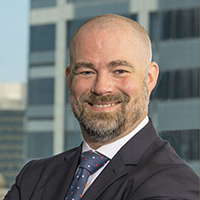
By Andrew A. Servais
Media coverage of efforts by the defendants to disqualify the Fulton County District Attorney in the Georgia case against former President Donald Trump provides a stark reminder of the ethical obligations of both criminal and civil practitioners when making extrajudicial statements about ongoing litigation.Read More
Ethically Managing Your Legal Intake Support Staff
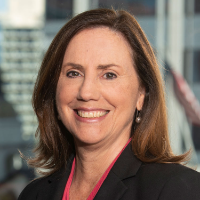
By Carole J. Buckner Senior Counsel, Klinedinst, PC
It is important for lawyers to have a solid understanding of their ethical responsibilities when managing and supervising nonlawyer assistants involved in the client intake process. Recently, the American Bar Association issued Formal Opinion 506, which addresses this topic.Read More
Ethical Considerations When Using an Online Referral Service
By Alara Chilton
As a personal injury lawyer who is only licensed to practice in California, you take great pride in using the latest technology as part of your firm’s day-to-day operations. Effectively incorporating technology into your practice enables you to better serve your clients and bottom line. Recently, you saw a social media ad for an online networking service named “Referral Law, P.C.” (RL[1]) that promises: (1) a national network of lawyers to refer cases and, (2) it will handle the process of collecting referral fees for its members.Read More
Ethical Considerations When “Specially Appearing” for Another Lawyer
By Alara T. Chilton
If you are a litigator, you have likely been in court and heard another lawyer enter her appearance by stating her name, followed by the phrase “specially appearing.” Or, perhaps you have received a telephone call from another lawyer who requests you “specially appear” at a hearing for a client you have never met. Such appearances are not uncommon in California Superior Court in both civil and criminal matters. Read More
Contact with Represented Persons by a Pro Se Lawyer
By Shelly Skinner
On September 28, 2022, the American Bar Association (ABA) Standing Committee on Ethics and Professional Responsibility issued Formal Opinion 502, which addresses a pro se lawyer’s obligations under ABA Model Rule 4.2 (Communication with Person Represented by Counsel). This rule — often referred to as the skip counsel, no-contact, or anti-contact rule — prohibits a lawyer from communicating “about the subject of the representation with a person the lawyer knows to be represented by another lawyer in the matter, unless the lawyer has the consent of the other lawyer or is authorized to do so by law or court order.”[1]Read More