By Daniela Lagunas Schwartz Semerdjian Cauley & Evans LLP
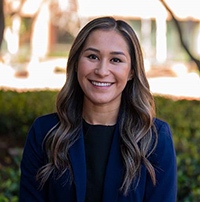
Alison Adelman, Esq., juggles many priorities as a practicing attorney and a new mother. Adelman is an attorney at the San Diego office of Ogletree Deakins. Her practice primarily focuses on employment defense cases, including harassment, discrimination, and retaliation claims. She appreciates the delicacy and complexity of her cases. Read More
I am fortunate to have served as Chair of the New Lawyer Division’s Executive Committee. Thank you for the opportunity and your support this past year.Read More
Ethical Considerations When “Specially Appearing” for Another Lawyer
By Alara T. Chilton
If you are a litigator, you have likely been in court and heard another lawyer enter her appearance by stating her name, followed by the phrase “specially appearing.” Or, perhaps you have received a telephone call from another lawyer who requests you “specially appear” at a hearing for a client you have never met. Such appearances are not uncommon in California Superior Court in both civil and criminal matters. Read More
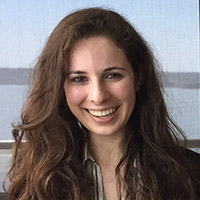
It has been my privilege and honor to produce For The Record as your editor-in-chief these past two years. This publication is uniquely founded on being created by new lawyers for new lawyers. Together, we have created more than 150 articles over the past two years tailored specifically to the needs, likes, and interests of our community. If you missed any past editions, you can visit our full archive. Read More
Is a Bumblebee a Fish? How Linguistics Can Help Lawyers Interpret the Law
By Thomas Livingston Freeman Mathis & Gary LLP
Is a bumblebee a fish? This question, explored in a recent California ruling, exemplifies the importance of deciphering linguistics in interpreting the law. On this topic, the Appellate Practice Section of the San Diego County Bar Association hosted a Web CLE course on October 28, 2022, entitled: “Corpus Linguistics as a Tool for Appellate Advocacy.” The featured presenters were Tammy Gales, Associate Professor of Comparative Literature, Languages, and Linguistics at Hofstra University, and James Heilpern, Esq., Senior Fellow of Law & Corpus Linguistics at Brigham Young University Law School. The course focused on historic and ongoing issues with the traditional approach to linguistics in the law and how the use of corpus linguistics — the study of language through “corpora” or large bodies of data showing how words are used in a real-life context — provides judges and lawyers useful tools for statutory interpretation and appellate argument that more efficiently achieves the goal of having uniformity between the legal and textual meaning of language.Read More